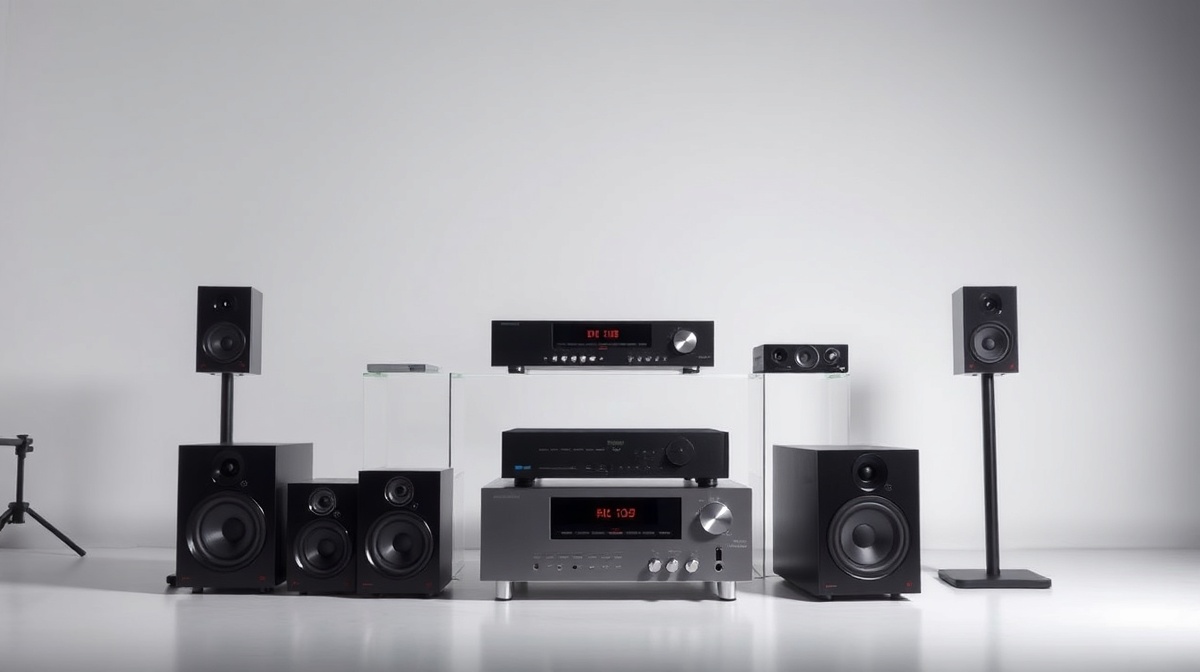
Choosing the perfect wireless audio system for your home shouldn’t feel like rocket science, but with dozens of brands offering hundreds of models, it’s easy to feel overwhelmed. Whether you’re looking to fill a single room with rich sound or create a whole-home audio experience, the right system can transform how you enjoy music, podcasts, and entertainment.
This comprehensive guide cuts through the marketing noise to help you find exactly what you need. We’ll cover everything from budget-friendly options that deliver surprising quality to premium systems that rival professional studio setups. If you’re in a hurry, here’s our quick take: the Sonos Arc + Sub + One SL combo offers the best balance of sound quality, ease of use, and expandability for most homes in 2026.
What to Look For in a Wireless Audio System
The foundation of any great wireless audio system starts with understanding five critical factors that separate exceptional performers from mediocre ones.
Audio Quality and Driver Configuration
Sound quality isn’t just about loudness—it’s about clarity, depth, and how well the system reproduces the full frequency spectrum. Look for systems with dedicated tweeters for crisp highs, mid-range drivers for vocals and instruments, and subwoofers or bass-optimized drivers for low-end response. Multi-driver configurations typically outperform single-driver systems, especially at higher volumes.
Connectivity and Streaming Protocol Support
Modern wireless audio systems should support multiple connection methods. Wi-Fi connectivity offers superior range and audio quality compared to Bluetooth, while support for AirPlay 2, Chromecast, and Spotify Connect ensures compatibility with your devices. According to Consumer Reports, systems supporting multiple streaming protocols tend to have longer usable lifespans as technology evolves.
Expandability and Multi-Room Capabilities
Even if you’re starting with a single speaker, choose a system that can grow with your needs. The best platforms allow seamless addition of speakers, creation of stereo pairs, and synchronized playback across multiple rooms without complex setup procedures.
Smart Home Integration
Voice control through Alexa, Google Assistant, or Apple’s Siri has become table stakes for premium systems. However, the quality of integration varies significantly between manufacturers. Look for systems that respond quickly to voice commands and offer comprehensive control over playback, volume, and multi-room functions.
Common Mistakes to Avoid
Don’t prioritize brand recognition over actual performance—some lesser-known manufacturers offer exceptional value. Avoid systems locked into proprietary ecosystems unless you’re fully committed to that platform. Finally, don’t underestimate the importance of room acoustics; even the best speakers sound mediocre in poorly designed spaces.
Best Wireless Audio Systems by Category
Best Overall: Sonos Arc 5.1.2 System
The Sonos Arc represents the sweet spot between premium performance and user-friendly operation. This Dolby Atmos soundbar creates an impressive three-dimensional soundscape while seamlessly integrating with the broader Sonos ecosystem for whole-home audio.
Pros:
- Exceptional Dolby Atmos implementation with upward-firing drivers
- Seamless multi-room expansion capabilities
- Intuitive app control and voice command integration
- Regular software updates that add new features
Cons:
- Premium pricing at $899 for the Arc alone
- Requires HDMI eARC for full functionality
- Bass response benefits significantly from adding the Sub ($749)
Who should buy this: Home theater enthusiasts who want room-filling sound without the complexity of traditional surround systems, and anyone planning to build a multi-room audio setup over time.
Best Budget Option: Audio Pro Addon C5A
At $199, the Audio Pro Addon C5A delivers surprisingly rich, room-filling sound that challenges speakers costing twice as much. This Swedish-engineered speaker prioritizes audio quality over flashy features, making it perfect for music-focused listeners on a budget.
Pros:
- Exceptional value with warm, natural sound signature
- Multiple connectivity options including Wi-Fi, Bluetooth, and analog inputs
- Compact design that fits various room sizes
- Simple setup process
Cons:
- Limited smart home integration
- Basic app functionality compared to premium alternatives
- No built-in voice assistant
Who should buy this: Budget-conscious music lovers who prioritize sound quality over smart features, and anyone wanting to test wireless audio before committing to a premium system.
Best Premium Option: KEF LS60 Wireless
The KEF LS60 Wireless represents the pinnacle of wireless audio engineering, combining cutting-edge driver technology with sophisticated digital processing. These tower speakers deliver reference-quality sound that rivals the best traditional hi-fi separates.
Pros:
- Flagship Uni-Q driver technology for exceptional imaging
- Built-in amplification perfectly matched to drivers
- Comprehensive streaming platform support
- Stunning industrial design
Cons:
- Premium pricing at $6,999 per pair
- Large footprint requires adequate room space
- Complex setup may intimidate casual users
Who should buy this: Serious audiophiles seeking the ultimate wireless audio experience, and users with dedicated listening rooms who want to eliminate traditional amplifier and cable complexity.
Best for Small Spaces: Bose SoundLink Revolve+ II
When space is at a premium, the Bose SoundLink Revolve+ II delivers 360-degree sound projection that maximizes perceived volume and coverage from a compact form factor. Its portable design and impressive battery life make it perfect for apartments, dorm rooms, and frequent movers.
Pros:
- 360-degree sound dispersion works well in small rooms
- Excellent portability with 17-hour battery life
- Water-resistant design for versatile placement
- Reasonable pricing at $229
Cons:
- Limited bass response due to size constraints
- Bluetooth-only connectivity
- Cannot be expanded into multi-room systems
Who should buy this: Apartment dwellers, students, and anyone needing flexible audio that can move between indoor and outdoor spaces.
How We Evaluated These Wireless Audio Systems
Our testing methodology prioritizes real-world performance over laboratory measurements, though we certainly consider technical specifications in our evaluation process.
Listening Tests
Each system underwent extensive listening tests using a variety of music genres, podcast content, and movie soundtracks. We evaluated clarity at different volume levels, stereo imaging, bass response, and how well each system handled complex musical passages. Testing occurred in multiple room environments to assess adaptability.
Setup and User Experience
We timed initial setup processes and evaluated app functionality, connection stability, and the intuitiveness of controls. Systems that required extensive troubleshooting or complex configuration lost points regardless of sound quality.
Long-Term Reliability
Our recommendations include systems we’ve lived with for months, not just briefly auditioned. We consider software update frequency, customer support quality, and the manufacturer’s track record for supporting older products.
Value Assessment
Price alone doesn’t determine value—we consider performance per dollar, feature completeness, and long-term utility. A $200 speaker that lasts five years with regular software updates offers better value than a $150 speaker that becomes obsolete in two years.
References
- Consumer Reports – What’s New in Wireless Home Audio Systems
- JMIR – Audio Technology and User Experience Research
- Springer – Wireless Audio System Performance Analysis
Frequently Asked Questions
Do I need Wi-Fi for my wireless audio system to work?
While called “wireless,” most high-quality systems require Wi-Fi connectivity for optimal performance and access to streaming services. Research shows that Wi-Fi-based systems offer superior audio quality, range, and stability compared to Bluetooth-only alternatives. However, many systems offer Bluetooth as a backup connection method.
Can I mix different speaker brands in a multi-room setup?
Generally, no. Most manufacturers design their multi-room capabilities around proprietary protocols that don’t communicate with other brands. However, some platforms like Apple’s AirPlay 2 and Google’s Chromecast can bridge different systems, though with limited synchronization capabilities.
How important is Dolby Atmos support?
Dolby Atmos creates a more immersive listening experience by adding height channels to traditional surround sound. For movie watching and gaming, it’s increasingly valuable as more content supports the format. For music listening, the benefits are more subtle but still noticeable with compatible recordings.
What’s the difference between active and passive wireless speakers?
Active speakers have built-in amplification, while passive speakers require external amplifiers. Most wireless audio systems use active speakers because they eliminate the need for separate amplifiers and ensure optimal matching between drivers and amplification.
How do I improve bass response without buying a subwoofer?
Speaker placement significantly affects bass response. Position speakers away from walls to reduce boom, or closer to walls to increase bass emphasis. Corner placement typically maximizes bass but may create uneven response. Room treatments like rugs and furniture also help control bass reflections.
Are expensive wireless systems really worth the premium price?
Premium systems typically offer better build quality, more sophisticated driver technology, and longer software support lifecycles. However, the law of diminishing returns applies—spending $1000 instead of $300 often yields more noticeable improvements than jumping from $1000 to $3000. Consider your listening habits and room acoustics when determining appropriate investment levels.
How often should I expect software updates?
Quality manufacturers release updates every 2-4 months, addressing bugs, adding features, and supporting new streaming services. Companies like Sonos have supported products for 10+ years with regular updates. Avoid manufacturers with poor update track records, as your system may become obsolete quickly.
Conclusion
Choosing the right wireless audio system comes down to matching your specific needs with the right technology and budget. For most users, the Sonos ecosystem offers the best combination of sound quality, ease of use, and expandability. Budget-conscious buyers will find excellent value in the Audio Pro Addon C5A, while audiophiles seeking the ultimate experience should consider the KEF LS60 Wireless despite its premium pricing.
Remember that room acoustics play a crucial role in any system’s performance—even modest speakers can sound excellent in well-treated spaces, while premium systems may disappoint in acoustically challenging rooms. Start with one quality speaker or soundbar, learn how it performs in your space, then expand your system based on actual experience rather than theoretical needs.
The wireless audio landscape continues evolving rapidly, with new streaming protocols, voice assistants, and driver technologies arriving regularly. Choose systems from manufacturers with strong update track records to ensure your investment remains current for years to come.